


LOW MOQ 50pcs for custom designs
For made-to-order styles only. Existing wholesale products follow their separate ordering terms.
The Heritage of Bali Silver Jewelry
When buyers talk about “Bali silver,” they’re not just talking about metal. They’re talking about a living craft that’s been refined over centuries. Balinese sterling silver is a blend of ancestral skill, spiritual symbolism, and modern design, and that mix is exactly what makes it so powerful in today’s global jewelry market.
Let’s break down where this heritage comes from and why it matters for you as a retailer, designer, or wholesale buyer.
History of Balinese Silversmithing
How did a small island like Bali become a global name in silver?
Balinese silversmithing dates back hundreds of years, influenced by:
- Ancient trade routes through Indonesia that brought silver, tools, and techniques from India, China, and the Middle East
- Hindu-Javanese courts, where jewelry was a symbol of status, ceremony, and spirituality
- Family-based artisan traditions, where techniques are passed down from parent to child, not from manuals or mass training centers
Over time, Balinese craftsmen adapted imported techniques into their own style. That’s how we got classic granulation (jawan), dense filigree, and intricate hand-carved motifs that feel unmistakably Balinese.
When you stock handcrafted Bali jewelry, you’re not just selling accessories. You’re selling a craft with real roots and human hands behind it.
Celuk Village: The Heart of Bali Silver
If you work with Bali silver or plan to, you’ll hear one name over and over: Celuk Village.
Celuk is widely recognized as:
- The epicenter of Bali silver production
- Home to many of the island’s most established silversmith families
- A hub for both traditional workshops and modern Bali silver manufacturers
In Celuk, it’s normal for entire families to be involved in jewelry making:
- One member draws designs
- Another handles wax carving or metal forming
- Others specialize in granulation, oxidation, polishing, or stone setting
For us as wholesalers and brand owners, working with Celuk silver village means tapping into a dense network of skilled, consistent, and detail-focused artisans. This is where much of the best wholesale Bali silver jewelry and Balinese jewelry wholesale production comes from.
Cultural and Spiritual Meaning in Bali Silver Designs
Why do Bali pieces feel so “alive” compared to generic sterling silver styles?
Because most Balinese jewelry designs are loaded with meaning. They’re influenced by:
- Hindu symbolism – motifs like lotus flowers, Om, tridents, and mandalas
- Nature – vines, leaves, waves, flowers, and animals that reflect Bali’s landscape
- Protection and balance – patterns meant to symbolize harmony, prosperity, and spiritual safety
Common symbolic elements in Indonesian sterling silver jewelry include:
- Lotus – spiritual growth and purity
- Floral scrolls and vines – life, continuity, and beauty
- Sun, moon, and wave patterns – balance between energies and elements
This is why cultural Bali pendants, Bali silver beads, and gemstone rings from Bali resonate so well in global markets. Customers don’t just see a pretty piece; they feel a story, a belief system, and a connection.
As a retailer, you can use this in your product descriptions
Bali silver vs regular sterling silver
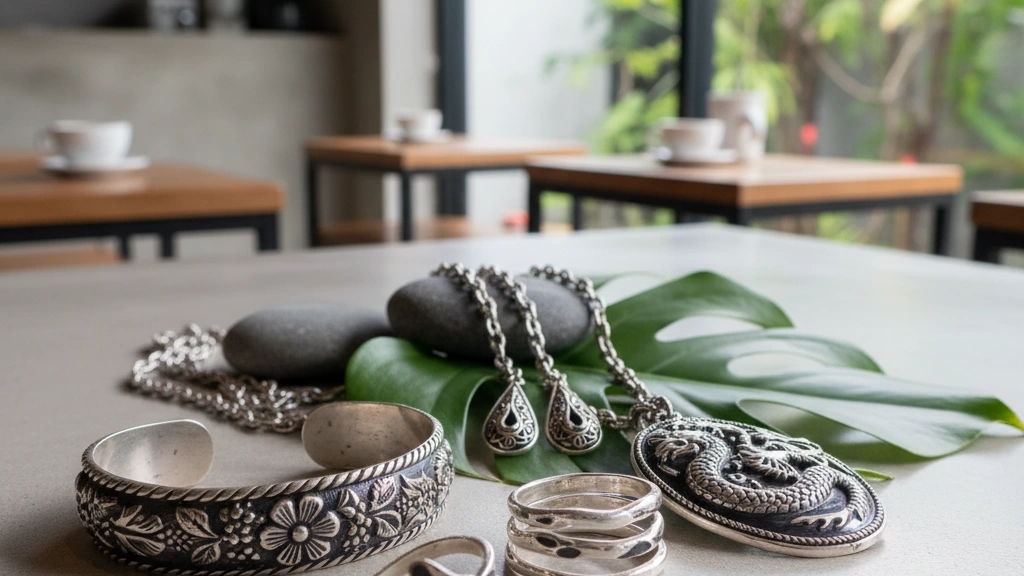
When people ask me about Bali silver vs regular sterling silver, I always start here:
chemically, they’re almost the same. The real difference is craft, culture, and finish.
-
Regular sterling silver:
- Usually 925 silver (92.5% pure silver + 7.5% other metals, often copper)
- Often mass‑produced in factories
- Designs are simpler, smoother, and very uniform
-
Bali silver (Balinese sterling silver):
- Also 925 sterling silver, but handcrafted in places like Celuk silver village
- Packed with details: granulation, jawan dots, sterling silver filigree, hand‑hammered textures
- Often oxidized to create strong contrast and an artisanal look
So you’re not just buying “silver.” You’re buying Balinese craftsmanship, symbolism, and character in every piece.
What makes Bali silver unique
My main edge with handcrafted Bali jewelry is how it looks and feels in real life:
-
Rich detailing
Balinese silver craftsmen use:- Jawan technique (tiny silver dots / granulation)
- Fine filigree wirework
- Intricate traditional Balinese chains and patterns
These aren’t stamped by machine; they’re built up by hand, piece by piece.
-
Cultural and Indonesian silver motifs
You’ll see:- Nature themes (flowers, leaves, waves)
- Hindu and spiritual details
- Classic Bali silver beads, oxidized Bali beads, and scroll patterns
That’s why Bali silver hoops, cuffs, and gemstone Bali rings instantly read as “Balinese,” even from a distance.
-
Artisan‑first production
A lot of our Bali artisan workshops still work in small studios, not big factories.
That handmade process is exactly why each piece has tiny variations—and why customers feel it’s more special than standard sterling.
Silver purity, alloys, and oxidation
I keep all my Balinese sterling silver at 925 sterling as the base:
-
925 sterling silver composition
- 92.5% pure silver
-
7.5% copper (or similar alloy) for strength
This is standard worldwide, so your customers can trust the quality.
-
Oxidation on purpose
Bali pieces often use controlled oxidation:- Dark areas sit in the grooves around the jawan dots and filigree
- Raised areas are polished bright
This contrast is what makes Indonesian sterling silver jewelry instantly eye‑catching.
-
Natural tarnish vs design choice
- Tarnish is a natural reaction with air and skin
- Oxidation in Bali silver is often intentional, to create that antique, Bohemian Bali cuffs vibe
I always explain this in product descriptions so customers don’t confuse “dark details” with “dirty metal.”
Handmade vs mass‑produced sterling silver
If you’ve ever compared wholesale Bali silver jewelry with standard factory chains, you’ve seen this difference:
Handmade Bali silver:
- Each piece is shaped, soldered, detailed, and finished by hand
- Slight variations = proof of authenticity
- Designs are richer: hand‑hammered Balinese jewelry, jawan technique jewelry, sterling silver filigree
- Feels more “alive” and often holds value better for boutique buyers
Mass‑produced sterling silver:
- Stamped and cast in bulk
- Very consistent, but often plain
- Great for basic chains, but lacks the signature Bali look
For bali jewelry wholesale / balinese jewelry wholesale, I position my collection as the upgrade from generic sterling: still commercial, but with that handcrafted Balinese personality.
How Bali silver develops its signature patina
One thing I always highlight to global customers: Bali silver ages beautifully.
-
From bright to character‑rich
Fresh Bali silver starts bright. Over time:- High points stay shiny (from wear and polishing)
- Recessed areas darken
This creates a Bali silver patina that brings out every curve and pattern.
-
Why patina is a selling point
- Makes oxidized Bali beads, cuffs, and rings look more textured and premium
- Appeals strongly to Bohemian, vintage, and artisan‑style buyers
- Many customers actually prefer the “lived‑in” look over ultra‑polished silver
-
For product pages and customer education
I always mention:- Patina is normal
- It doesn’t mean low quality
- It can be lightly polished if they prefer a brighter look
This is where Bali silver vs sterling silver really shows: same metal, but Bali’s craft, oxidation, and patina turn it into something far more distinctive and collectible.
Core Bali silver materials and techniques
When I talk about Bali silver, I’m really talking about two things: solid materials and serious handwork. That mix is what makes Balinese sterling silver stand out in the global market, especially for bali jewelry wholesale and balinese jewelry wholesale buyers who care about quality and story.
925 sterling silver composition in Bali jewelry
Most Balinese sterling silver pieces are made from 925 sterling silver – that means:
- 92.5% pure silver
- 7.5% other metals (usually copper for strength)
Why this matters:
- Durable but still soft enough to hand‑work, carve, and shape
- Keeps its bright, clean shine when polished
- Holds up well to daily wear, even in detailed
Popular Bali silver jewelry designs
When I source and design Bali silver, I focus on styles that are easy to wear, feel special, and sell well across global markets. Here’s how I see the core categories.
Bali silver earrings and hoops
Bali silver earrings are usually the first piece customers fall in love with. They’re lightweight, detailed, and work for everyday wear.
Best‑sellers I always recommend:
- Classic Bali silver hoops
- Thin, oxidized Bali hoops with jawan (granulation) dots
- Medium and large hoops with hand‑hammered texture
- Twisted and rope‑style Balinese sterling silver hoops
- Bohemian Bali drop earrings
- Filigree drops, mandala shapes, and lotus motifs
- Nature‑inspired leaves, feathers, shells, and flowers
- Oxidized Bali beads and tassel combinations
- Minimal Bali studs
- Tiny granulation clusters
- Simple dot, bar, and mini-hoop studs for everyday wear
Why they work globally:
- Lightweight for all‑day comfort
- Detailed enough to stand out on video calls and social feeds
- Easy price point for impulse buys and gifting
Necklaces and pendants with Balinese motifs
Bali silver pendants are where the storytelling really comes in. I use traditional Indonesian silver motifs but keep the styling clean so it fits different markets.
Popular Balinese pendant themes:
- Cultural Bali pendants
- Om, Ganesha, and other Hindu spiritual symbols
- Barong masks, temple doors, and traditional Balinese patterns
- Nature‑inspired designs
- Sun, moon, waves, tropical leaves, and floral motifs
- Animal totems: turtles, dolphins, birds, and dragonflies
- Modern classics
- Simple 925 sterling silver Bali bars and discs
- Mandala and geometric filigree pendants
- Lockets and coin pendants with subtle oxidation
Necklace styles I push for wholesale and retail:
- Adjustable Bali silver chains (great for layering)
- Fine box chains with small pendants for daily wear
- Statement pendants on thicker handcrafted chains
These pieces sell well online because:
- They photograph beautifully thanks to the oxidized detailing
- Customers like pieces with meaning: protection, balance, good luck
Bracelets, bangles, and chains from Bali
Bali silver bracelets are strong sellers for both men and women, especially in markets that love Boho, beach, and casual luxury looks.
Key bracelet and bangle types:
- Traditional Balinese chains
- Wheat, rope, and foxtail chains in 925 sterling silver
- Solid, durable styles popular for men’s jewelry
- Bali cuffs and bangles
- Bohemian Bali cuffs with hand‑hammered or repoussé details
- Open bangles with jawan granulation ends or gemstone tips
- Stackable slim bangles for layering
- Charm and bead bracelets
- Strung with oxidized Bali beads and spacers
- Mixed with gemstones like turquoise, moonstone, garnet, and onyx
Why buyers choose these:
- Perfect for stacking and “arm party” styling
- Work across casual, resort, and festival looks
- Unisex designs help boost overall sales
Rings, gemstone settings, and custom Bali pieces
Rings are where Bali artisans really show off their skill. I lean on both traditional Balinese jewelry designs and clean modern shapes to match different customer tastes.
Ring styles that perform best:
- Classic Bali silver rings
- Oxidized bands with full granulation or filigree patterns
- Hand‑hammered texture rings for an earthy, minimal look
- Traditional Balinese woven and rope rings
- Gemstone Bali rings
- Cabochon stones like moonstone, labradorite, amethyst, onyx
- Detailed bezels with jawan dots and scrollwork
- Statement cocktail rings with large center stones
- Stackable and midi rings
- Thin 925 sterling silver bands for stacking
- Mixed textures: smooth, hammered, twisted, dotted
Custom and wholesale‑friendly options:
- Made‑to‑order sizes for global markets
- Logo stamping and small custom changes for brand clients
- Coordinated ring sets that match Bali silver earrings and pendants
Rings convert well because:
- They’re highly giftable and easy to sell in sets
- Customers love the “handcrafted Bali jewelry” story plus the comfort of 925 sterling silver quality
In short, when I develop Bali silver collections—whether retail or bali jewelry wholesale / balinese jewelry wholesale—I focus on:
- Detailed earrings and hoops
- Story‑driven pendants
- Stackable bracelets and bangles
- Character‑rich rings and gemstone designs
These are the core Bali silver jewelry designs that consistently move, photograph well, and keep customers coming back for more.
Bali design motifs and symbolism
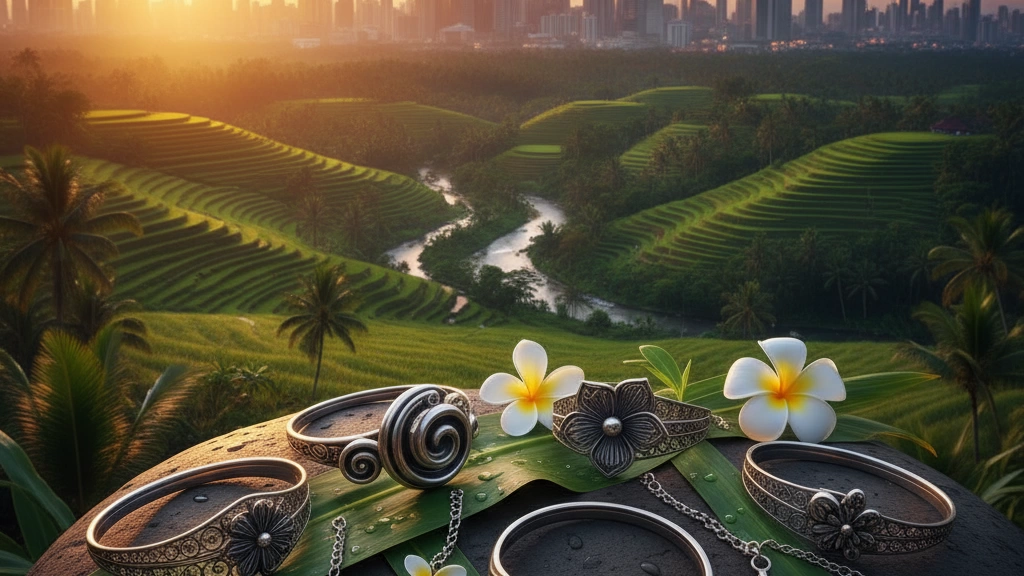
When I talk about Bali silver, I’m really talking about the stories and symbols built into every piece. Balinese sterling silver isn’t just “pretty metal” – the motifs carry meaning that global customers connect with right away.
Nature‑inspired Balinese patterns
Nature is at the center of most Bali silver designs. Artisans grow up surrounded by rice fields, ocean, and jungle, and it shows in the jewelry.
Common nature motifs I use in Bali silver jewelry:
-
Floral designs
- Frangipani (plumeria): symbol of beauty, grace, and new beginnings.
- Lotus: purity, calm, and spiritual growth.
- Jasmine and hibiscus: feminine energy and joy.
-
Leaf and vine patterns
- Curved vines and tendrils: continuous growth and life cycles.
- Tropical leaves: connection to Bali’s landscape and slow‑living mindset.
-
Ocean and wave details
- Wave lines: flow, travel, and freedom – perfect for global, boho‑style customers.
- Shell and sea motifs: protection, inner peace, and wanderlust.
-
Animal and insect symbols
- Dragonflies and butterflies: transformation and lightness.
- Birds: freedom and higher vision.
These nature‑inspired Balinese patterns are ideal for customers who love bohemian jewelry, spiritual fashion, or anything that feels organic, earthy, and handcrafted.
Hindu and spiritual symbols in Bali silver
Bali is deeply spiritual, and that energy runs through traditional Balinese jewelry designs. In a lot of my Bali silver pendants, rings, and cuffs, you’ll find Hindu and symbolic touches that global shoppers instantly recognize.
Key spiritual motifs in Balinese sterling silver:
-
Om (Aum) symbol
- Represents universal sound, consciousness, and grounding.
- Popular for yoga and meditation communities worldwide.
-
Lotus and mandala patterns
- Lotus: rising above challenges, spiritual awakening.
- Mandalas: balance, unity, and focus – great for statement pendants and Bali silver earrings.
-
Sacred geometry
- Repeated circles and symmetrical patterns bring a calm, centered look that resonates with mindful, wellness-driven buyers.
-
Deity and temple motifs
- Subtle details inspired by traditional Balinese temples and Hindu gods/goddesses.
- Often used more abstractly for global markets, keeping the design spiritual without being too literal.
-
Protective symbols
- Eye‑like patterns and strong central motifs meant to ward off negativity.
- Ideal for customers who like “meaningful jewelry” with a story.
I always keep these designs respectful and authentic, while still making them wearable for everyday life in New York, London, Tokyo, or Sydney.
Traditional vs contemporary Bali jewelry styles
Bali silver has a strong traditional base, but global customers don’t all want the same classic look. So I work across two main style directions:
-
Traditional Balinese jewelry styles
- Heavy granulation (jawan) and dense patterns
- Rich, oxidized Bali beads and antique finishes
- Intricate sterling silver filigree and hand‑carved details
- Perfect for collectors, culture lovers, and customers who want something “truly Balinese”
-
Contemporary Bali silver styles
- Cleaner lines, more open space, and minimalist silhouettes
- Mixed textures: hand‑hammered surfaces with just a hint of Bali pattern
- Smaller, lighter Bali silver hoops, delicate chains, and subtle pendants
- Ideal for everyday office wear, capsule wardrobes, and modern fashion
Both styles use authentic Balinese techniques, but the overall feel shifts depending on the customer’s lifestyle and local fashion trends.
How designers blend Bali silver with global trends
To keep Bali silver relevant for the global market, I combine traditional motifs with what customers are wearing right now. The goal is simple: real Balinese soul, modern styling.
Here’s how I blend Bali silver with global trends:
-
Minimalist base, Balinese detail
- Simple 925 sterling silver bands with a touch of granulation or a single lotus symbol.
- Smooth bangles with a small section of traditional jawan or filigree.
-
Mixing metals and textures
- Bali silver paired with gold‑plated accents for a two‑tone look.
- Oxidized Bali beads mixed with plain silver chains for depth and contrast.
-
Gemstone + Bali silver combinations
- Moonstone, labradorite, onyx, turquoise, and quartz set in Balinese silver settings.
- Great for customers into healing stones, spiritual jewelry, and boho fashion.
-
Scaled for everyday wear
- Classic Balinese motifs reworked into:
- Tiny studs and huggie Bali silver hoops
- Thin stackable rings
- Lightweight pendants and chokers
- This makes handcrafted Bali jewelry easy to wear in any city, any season.
- Classic Balinese motifs reworked into:
-
Trend‑aligned themes
- Bohemian Bali cuffs for festival and vacation looks
- Clean “quiet luxury” Bali chains with subtle texture
- Spiritual but simple pieces for yogis, digital nomads, and wellness‑focused shoppers
By blending authentic Balinese jewelry designs with global styling, I can offer pieces that feel exotic and meaningful, but still fit smoothly into someone’s daily wardrobe. That balance is exactly what keeps Bali silver in demand across Europe, the US, Asia, and beyond.
Wholesale Bali silver for retailers and designers
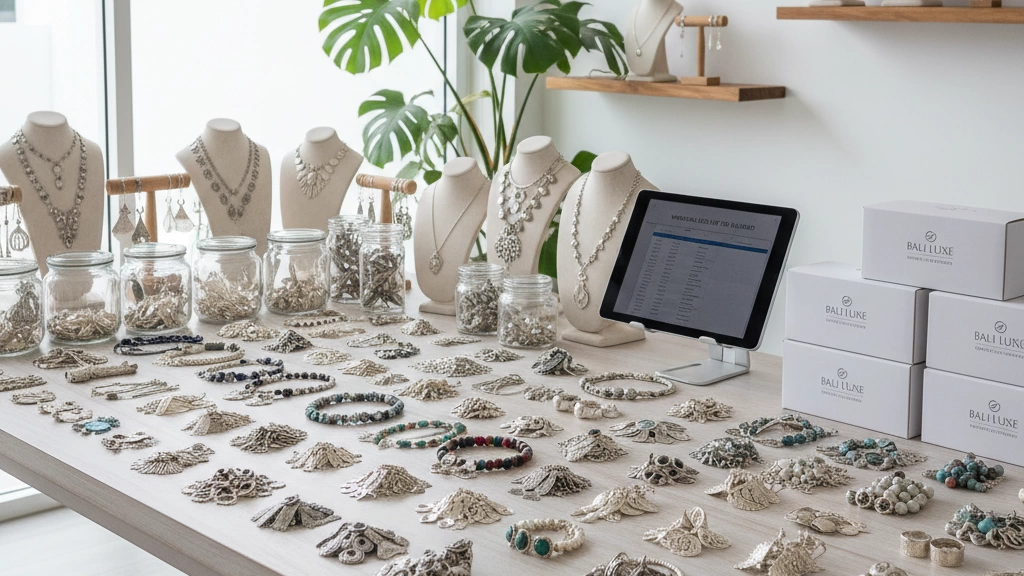
Why stock Bali silver in your store
If you sell jewelry and you’re not carrying Bali silver yet, you’re leaving easy money and story‑driven sales on the table.
Here’s why I always push Bali silver (Balinese sterling silver) for boutiques, concept stores, and online shops:
-
Strong visual identity
- Intricate jawan granulation, filigree, and oxidized Bali beads stand out in a sea of plain sterling.
- Customers recognize “that Balinese look” instantly, even if they don’t know the name.
-
Premium feel, mid‑range price
- You get handcrafted, artisan‑level detail with the durability of 925 sterling silver.
- It feels “luxury” but still sits in an accessible price range for global customers.
-
Works for many customer types
- Boho, spiritual, minimalist, resort wear, gift buyers – Bali silver designs can hit all of these.
- Bali silver hoops, gemstone Bali rings, cultural Bali pendants – you can build multiple micro‑collections from one supplier.
-
Story sells
- Balinese silver craftsmen, Celuk silver village, traditional techniques – this gives your brand strong content for product pages, emails, and social posts.
- Customers love feeling they’re supporting real artisans, not faceless factories.
-
Easy add‑on and upsell
- Bali silver bracelets, Bali silver beads, and stacking rings are perfect for “complete the look” or bundle offers.
- High attachment rate with clothing, crystals, and wellness products.
If you want jewelry that photographs beautifully, has a clear story, and converts well globally, Bali silver deserves its own section in your store.
Understanding Bali silver price factors
Wholesale Bali silver prices can vary a lot, even for similar‑looking pieces. When I negotiate or compare quotes, I always look at these main factors:
-
Silver market price
- Bali silver uses 925 sterling silver, so costs move with the global silver price.
- Higher silver prices = higher base cost per gram. Heavy cuffs and chunky Balinese chains will show it first.
-
Weight and complexity
- More silver weight = higher cost.
- Detailed jawan granulation, sterling silver filigree, hand‑hammered textures, and repoussé all add labor hours.
-
Handmade vs semi‑mass produced
- Fully handcrafted Bali jewelry from artisan workshops in Celuk will cost more than cast pieces with light finishing.
- You pay for skill, time, and consistent handwork.
-
Finishes and oxidation
- Oxidized Bali beads and antique finishes require extra steps.
- Deep blackened backgrounds and polished highlights take longer than flat shiny polish.
-
Gemstones and extras
- Gemstone Bali rings and pendants with high‑grade stones (moonstone, garnet, amethyst, topaz, etc.) raise the price per piece.
- Custom motifs, special clasps, or branded tags also add cost.
-
Order size and repeat business
- Larger wholesale orders = better pricing and lower per‑unit cost.
- Long‑term partners usually get better quotes, priority production, and more flexible MOQs.
Understanding these elements helps you spot realistic Bali silver wholesale prices and avoid deals that are “too cheap to be real” (often not authentic Bali silver or not 925).
Profit margins and pricing strategies
Bali silver is great for healthy margins if you structure your pricing right. Here’s how I usually approach it:
-
Aim for solid keystone or better
- Common target:
- Retail price ≈ 2.5x–3x landed cost (including shipping, duties, packaging).
- For highly detailed, artisan pieces with a strong story, you can often go 3x–3.5x, especially online.
- Common target:
-
Segment by perceived value
- Simple Bali silver hoops and basic Bali silver beads: lower price point, higher volume, slightly lower margin.
- Detailed Balinese jewelry designs, statement Bohemian Bali cuffs, gemstone rings, and cultural pendants: higher price point, higher margins.
-
Use bundles to lift AOV
- Create “Bali silver sets”:
- Earrings + necklace
- Bracelet stack
- Ring trio
- Offer a small discount on the set, but keep your overall margin higher than on a single item sale.
- Create “Bali silver sets”:
-
Price for your market, not just your cost
- Check what similar Balinese sterling silver sells for in your region (online marketplaces, boutiques, and designer brands).
- If you’re offering authentic, handcrafted Bali silver with a clear story and strong branding, don’t race to the bottom.
-
Protect your cash flow
- Start with smaller, curated wholesale orders, test what sells fastest (hoops, chains, gemstone pendants), then double down on proven performers.
- Use preorders or waitlists for higher‑ticket Bali cuffs and elaborate pieces to reduce stock risk.
Good Bali silver isn’t just another product line – it’s a margin driver if you position it correctly.
Best‑selling Bali silver product types for wholesale
From my own data and what I see across global markets, these Bali silver categories usually perform best for retailers and designers:
-
Bali silver earrings and hoops
- Classic Bali silver hoops with oxidized detailing.
- Small everyday studs with Balinese patterns or tiny jawan accents.
- Lightweight dangles – easy to wear, great for gifts, very photogenic.
-
Necklaces and pendants
- Cultural Bali pendants with Hindu and spiritual symbols (Om, lotus, mandala, barong, etc.).
- Nature‑inspired motifs – leaves, flowers, waves, sun and moon, all in Balinese silver style.
- Simple 925 chains with small Bali silver beads for layering.
-
Bracelets, bangles, and cuffs
- Traditional Balinese chains with intricate links.
- Bohemian Bali cuffs with oxidized backgrounds and hammered textures.
- Charm bracelets using oxidized Bali beads and small symbolic charms.
-
Rings and gemstone pieces
- Stacking rings with subtle Balinese granulation.
- Statement gemstone Bali rings with moonstone, onyx, turquoise, amethyst, etc.
- Adjustable rings – reduce sizing headaches for online customers.
-
Components for designers
- Loose Bali silver beads and oxidized Bali beads for custom jewelry makers.
- Bali silver spacers, end caps, and clasps for global designers who want that “Balinese touch” in their own lines.
If you’re just starting with Bali silver wholesale, I’d build an assortment around:
- 1–2 styles of hoops
- 2–3 pendant designs
- 1 chain style, 1 bracelet, 1 cuff
- A small range of gemstone rings
- A basic pack of Bali beads for DIY or in‑house customization
From there, track sales by style and country, then scale the winners. Bali silver sells best when you cover both everyday basics and 1–2 strong statement pieces that define your brand’s look.
Finding authentic Bali silver suppliers
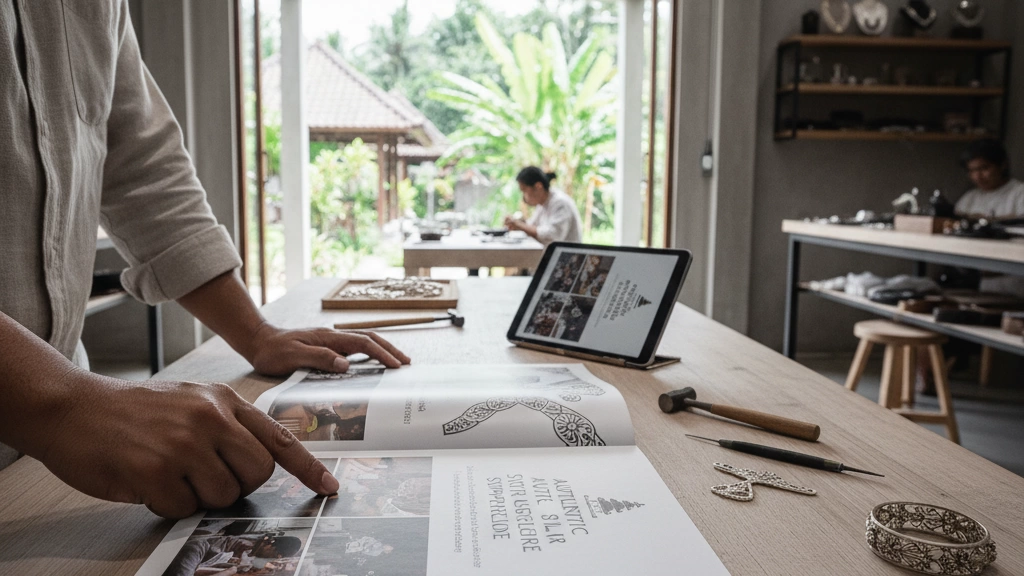
If you’re serious about bali silver and balinese sterling silver, the supplier you choose will make or break your business. I treat this part like a long‑term partnership, not a quick buy.
Here’s how I source authentic Bali silver jewelry and avoid the junk.
How to vet Bali silver manufacturers and artisans
Before I buy anything, I always check:
-
Company background
- How long they’ve been producing handcrafted Bali jewelry
- Whether they work directly with Balinese silver craftsmen or outsource
- Registered business details, physical address, and workshop photos
-
Silver quality
- Clear mention of “925 sterling silver” or “925” stamped on pieces
- Ability to show test reports (XRF or lab) on request
- Transparent info on alloys, Bali silver patina, and oxidized finishes
-
Portfolio and style
- Strong Balinese jewelry designs: granulation (jawan technique jewelry), sterling silver filigree, traditional Balinese chains, oxidized Bali beads
- Consistent craftsmanship across rings, Bali silver hoops, pendants, bangles, and Bali silver beads
- Ability to handle custom Balinese designs and bali jewelry wholesale orders
-
Communication and service
- Fast, clear replies in simple English
- Detailed price lists, lead times, and minimum order quantities
- Clear policies on quality control, returns, and rework
If a Bali silver wholesale supplier can’t answer basic questions about their process or materials, I move on.
Working with Celuk silver workshops
Celuk Village is the heart of bali silver. When I work with Celuk silver workshops, I focus on:
-
Direct artisan relationships
- Meeting the silversmiths (in person or via video)
- Understanding how they do granulation, filigree, and hand‑hammered Balinese jewelry
- Checking if they produce in‑house or subcontract everything
-
Sample runs first
- Ordering small lots of Bali silver earrings, gemstone Bali rings, Bohemian Bali cuffs, and traditional Balinese chains
- Inspecting solder joints, stone settings, oxidation, and finishing
- Testing market response before scaling up wholesale Balinese designs
-
Fair and clear deals
- Agreeing on fixed 925 sterling silver Bali specs
- Aligning on lead times for bali jewelry wholesale and custom designs
- Discussing artist credit and branding if you want to highlight fair trade Bali jewelry
Working with Celuk silver workshops brings real Balinese character to your collection, and customers feel that authenticity.
Online wholesale platforms for Bali silver
For global buyers, online platforms are a good starting point if you’re careful. When I source online wholesale Bali silver jewelry, I look for:
-
Verified wholesale Bali silver suppliers
- Strong reviews from international buyers
- Clear “wholesale only” terms with professional product catalogs
- Detailed listings: metal type, weight, dimensions, finish, and origin
-
Real product visuals
- Multiple high‑resolution photos and videos of each piece
- Close‑ups showing jawan granulation, filigree, and oxidized or antique effects
- Consistency between product photos and what buyers show in their own reviews
-
Transparent wholesale info
- MOQs (minimum order quantities) for bali jewelry wholesale and balinese jewelry wholesale
- Tiered pricing for volume orders
- Shipping options, duties, and customs support for global customers
I still treat online sourcing as the first step. I always order samples and test before committing to big runs.
Red flags and how to avoid fake Bali silver
The Bali silver market has amazing artisans, but also a lot of cheap “Bali style” copies that aren’t actually from Bali or even real sterling. Here’s what I avoid:
-
Vague or misleading metal descriptions
- “Bali silver plated,” “Bali color metal,” or no mention of “925” at all
- No guarantee of “925 sterling silver composition” or test results
- Prices that are way below normal silver cost
-
Generic designs with no Balinese DNA
- Designs that look like mass‑produced global fashion jewelry with no Indonesian silver motifs
- No signature Balinese techniques like jawan, filigree, or hand‑hammered textures
- “Bali” used only as a keyword, not a real origin
-
No branding, no story
- Supplier can’t say which village or area in Bali they work with (Celuk, Ubud, etc.)
- No photos of Bali artisan workshops, tools, or work in progress
- Zero mention of ethical silver sourcing or fair pay
-
Poor documentation
- No invoices, no contracts, no clear return or replacement policy
- Refusal to stamp pieces with “925” or provide hallmarks on request
- Avoiding video calls or factory visits (even virtual)
To stay safe, I always:
- Start with small test orders
- Check weight and hallmarks on arrival
- Compare color, feel, and tarnish behavior with known real 925 silver
- Drop suppliers who dodge quality questions
Authentic Bali silver is about more than price. It’s about real 925 sterling silver, real Balinese craftsmanship, and a supplier you can trust to support your brand for the long run.
Working Directly With Balinese Silversmiths
When I source Bali silver, I always prefer working directly with Balinese silversmiths. It keeps the designs authentic, the quality consistent, and the margins strong. You’re not just buying “Balinese sterling silver” – you’re building a long‑term production base in Bali that can grow with your brand.
Building Long‑Term Supplier Relationships
Strong relationships in Bali start with trust, clarity, and respect for the craft.
Here’s what works well for me:
- Start small, then scale:
- Begin with a test order of a few SKUs (earrings, Bali silver hoops, basic chains).
- Check quality, timing, and communication before committing to big volumes.
- Visit (or video‑visit) the workshop:
- Ask for photos or video tours of the Bali artisan workshops in places like Celuk silver village.
- Confirm they actually handcraft the jewelry and don’t just resell mass‑produced stock.
- Be consistent:
- Reorder best‑sellers regularly (e.g., oxidized Bali beads, classic Balinese chains).
- Pay on time. In Bali, consistent payment builds loyalty fast.
- Share your plans:
- Let them know your seasonal drops, wholesale campaigns, and new markets.
- Good Balinese silver craftsmen can plan labor and materials if they see long‑term potential with you.
When I treat my Bali silver suppliers as partners, not just vendors, I get better pricing, faster priority, and first access to new Balinese jewelry designs.
Negotiating Minimum Orders And Custom Runs
Balinese workshops are used to working with both boutiques and larger wholesalers. You can usually negotiate MOQ (minimum order quantity) and custom work if you’re clear from day one.
What I focus on:
- Set realistic MOQs:
- For standard designs (simple 925 silver rings, Bali silver beads, basic hoops):
- 30–100 pcs per style is common.
- For complex designs (granulation, jawan technique jewelry, hand‑hammered Balinese jewelry, gemstone Bali rings):
- Expect higher MOQs or higher unit prices.
- For standard designs (simple 925 silver rings, Bali silver beads, basic hoops):
- Separate core line vs. experiments:
- Core: timeless pieces like Bali silver hoops, Bohemian Bali cuffs, traditional Balinese chains.
- Test: 1–3 new custom Balinese designs per season with smaller volumes.
- Discuss custom runs clearly:
- Share detailed specs: weight range, size range, 925 sterling silver purity, oxidized vs shiny finish.
- Provide reference images and sample pieces if possible.
- Negotiate price by volume:
- Ask for price breaks at different volume tiers (e.g., 50 / 100 / 300 pcs).
- Keep communication open: “If this style sells, I’ll reorder 2–3x next batch.”
The key: don’t push for tiny quantities with heavy customization and then expect rock‑bottom pricing. Fair terms build long‑term wins on both sides.
Communication Tips When Sourcing From Bali
Smooth communication makes or breaks Bali silver wholesale deals, especially across time zones and languages.
What I do to keep things clear:
- Use simple, direct English:
- Short sentences, no slang, no complex phrasing.
- Example: “Please use 925 sterling silver. No plating. Oxidized Bali beads only on this model.”
- Confirm everything in writing:
- Design specs (size, weight, finish, stone types).
- Lead times, production schedule, and shipping method.
- Payment terms and deposit percentages.
- Use visual tools:
- Send photos, sketches, and short videos for custom Balinese jewelry wholesale orders.
- Ask them to send photos of the first samples and mid‑production checks.
- Align on time expectations:
- Remember Bali is in a different time zone. Allow a 24‑hour response window.
- For urgent needs, agree on specific response times and escalation contacts.
- Choose a main contact:
- Work through one key person at the Bali silver workshop.
- This avoids confusion and mixed instructions.
Clear, simple communication protects you from misunderstandings and helps your Balinese sterling silver orders arrive the way you expect.
Quality Control For Bulk Bali Silver Orders
When I buy wholesale Bali silver jewelry, I always build quality control into the process. It’s the only way to protect my brand and keep returns low.
Here’s how I handle QC:
- Set clear standards:
- Silver: 925 sterling silver minimum, with proper hallmarks if available.
- Finish: specify bright polish vs oxidized Bali silver patina vs fully matte.
- Craft: check granulation, jawan dots, filigree, and clasps for consistency.
- Approve samples first:
- Never skip the sample stage for new designs.
- Approve one “golden sample” and ask them to match that for the entire run.
- Use staged inspections:
- Pre‑production: confirm materials and sample.
- Mid‑production: ask for photos or videos of partially finished pieces.
- Pre‑shipment: request final pictures or use a third‑party QC check if volume is high.
- Check random pieces on arrival:
- Weight check (to avoid underweight silver).
- Stone setting: test for loose stones on gemstone Bali rings and pendants.
- Clasps and closures: make sure bracelets, bangles, and chains lock properly.
- Finish: ensure oxidized parts are intentional, not dirty or poorly polished.
- Document issues:
- If something is off, send clear photos and notes.
- Agree on solutions: partial refund, credit note, or remake in the next order.
When I lock in good QC routines with my Bali silver wholesale suppliers, I get consistent quality, fewer complaints, and stronger trust on both sides.
Working directly with Balinese silversmiths takes a bit more effort than buying generic sterling silver, but the payoff is huge: unique designs, authentic Indonesian silver motifs, and long‑term partners who grow with your brand.
Ethical and sustainable Bali silver sourcing
When I choose Bali silver for my collections, I treat ethics and sustainability as non‑negotiable. Customers notice the difference, and so do the artisans. Here’s how I handle ethical and sustainable Bali silver sourcing in a way that works for a global market.
Fair pay and artisan‑first partnerships
With Balinese sterling silver and handcrafted Bali jewelry, the artisan is the heart of the product. I always structure my bali jewelry wholesale and balinese jewelry wholesale deals around the maker, not just the margin.
What I focus on:
-
Fair, clear pricing
- Pay agreed prices on time, with no last‑minute discounts.
- Build in room for artisans’ rising costs (silver, fuel, labor).
-
Safe and stable work
- Work with Bali artisan workshops that offer safe spaces, reasonable hours, and no child labor.
- Support family‑run workshops in Celuk silver village and nearby areas.
-
Long‑term relationships
- Repeat orders instead of one‑off “test” runs.
- Share feedback and sales data so artisans can plan production.
-
Design collaboration
- Co‑create Balinese jewelry designs instead of copying.
- Give credit where it’s due when designs are clearly traditional Balinese chains, Jawan technique jewelry, or classic Indonesian silver motifs.
This “artisan‑first” approach pays off: better quality, more reliable delivery, and a story customers believe in.
Eco‑friendly silver sourcing and production
Ethical Bali silver also means lower impact on the environment. I try to keep the full chain as clean as possible.
Key practices I look for:
-
Recycled or responsibly sourced silver
- Use recycled 925 sterling silver Bali whenever possible.
- Ask suppliers where their silver is refined and if it’s traceable.
-
Low‑impact production
- Encourage workshops to:
- Reuse scrap silver and Bali silver beads offcuts.
- Use non‑toxic cleaners and polishing compounds.
- Reduce water and energy waste where possible.
- Encourage workshops to:
-
Durable, not disposable
- Focus on timeless Balinese sterling silver designs that last:
- Bohemian Bali cuffs
- Bali silver hoops
- Classic gemstone Bali rings
- Less trend‑driven waste, more long‑term wear.
- Focus on timeless Balinese sterling silver designs that last:
Even simple steps like re‑melting silver scraps and careful chemical handling make eco‑friendly silver sourcing and production more than just a buzzword.
Certifications, hallmarks, and transparency
Trust is everything when you’re selling authentic Bali silver globally. I’m very strict about certifications, hallmarks, and transparency so customers know what they’re buying.
What I insist on:
-
Correct 925 stamping
- All genuine 925 silver granulation, sterling silver filigree, and hand‑hammered Balinese jewelry should be marked “925” or “Sterling”.
-
Workshop details
- I know exactly which Bali silver wholesale suppliers and workshops produce which lines.
- I keep records: location, contact person, and production methods.
-
Additional certifications (when possible)
- Fair trade labels or local ethical craft certifications.
- Proof of recycled silver or responsible sourcing where available.
-
Honest product info
- If a piece uses mixed metal, I say so.
- If an item has oxidized Bali beads or an antique finish, I explain how to care for it.
This level of transparency gives retailers and end customers confidence in both the product and the story behind it.
How I market ethical Bali silver to customers
Ethical sourcing isn’t just “nice to have” anymore; it’s a selling point. I build it into how I present wholesale Bali silver jewelry and finished pieces online and in‑store.
How I position it:
-
Tell the origin story
- Highlight Celuk silver village and traditional Balinese silver craftsmen.
- Show photos of real workshops (with permission).
-
Highlight artisan‑first values
- Use clear phrases like:
- “Fair trade Bali jewelry”
- “Fair pay, artisan‑first”
- “Ethical silver sourcing”
- Use clear phrases like:
-
Use details, not vague claims
- Example:
- “Handcrafted in Bali by a three‑generation family workshop using 925 sterling silver and traditional jawan granulation.”
- Example:
-
Educate briefly
- Explain that:
- Bali silver vs sterling silver isn’t about purity (both can be 925) but about craftsmanship, motifs, and handwork.
- Patina and oxidation on Bali silver patina pieces are part of the design, not a defect.
- Explain that:
-
Leverage bundles and storytelling
- Create themed sets:
- “Ethical Bali Everyday Set” with Bali silver hoops, a small cultural Bali pendant, and a simple traditional Balinese chain.
- Include care cards and a short note about the artisan or workshop.
- Create themed sets:
-
Be ready with answers
- Common customer questions:
- “Is this really made in Bali?”
- “Is it real 925 silver?”
- “Who makes this?”
- I keep simple, honest answers ready in product pages, FAQs, and in‑store talking points.
- Common customer questions:
By making ethics part of the product, not an afterthought, I turn ethical Bali silver into a clear reason to buy—and to come back.
How to style Bali silver jewelry
Everyday casual Bali silver looks
For everyday wear, I treat Bali silver as my go‑to “grab and go” jewelry:
-
Minimalist base set
- Small Bali silver hoops or studs
- One thin Balinese chain
- A simple granulated Bali ring
This combo works with jeans, tees, office basics, and summer dresses.
-
Boho casual
- Layer two or three Bali silver necklaces in different lengths
- Add a few oxidized Bali beads on a cord or chain
- Stack thin Bali bangles on one wrist
This gives an easy Bali / Bohemian feel without looking too “busy”.
-
Smart casual for work
- Medium Bali silver hoops or small filigree drops
- One cultural Bali pendant on a fine 925 chain
- A single hand‑hammered Balinese cuff
It looks polished on shirts, blazers, and simple knitwear.
Tip: for everyday customers, I always suggest lightweight pieces and smooth finishes so they’re comfortable from morning to night.
Statement and evening outfits with Bali silver
At night, I let Balinese sterling silver do the talking:
-
Statement earrings focus
- Big Bali silver hoops, jawan detailing, or filigree chandeliers
- Hair up, neckline open (off‑shoulder, V‑neck, slip dress)
- Keep necklace minimal or skip it
This lets the intricate Indonesian silver motifs stand out.
-
Bold cuffs and bangles
- Wide Bohemian Bali cuffs with hammered or oxidized details
- Pair with a simple black dress or jumpsuit
- Add traditional Balinese chains for extra texture
-
Gemstone showpieces
- One large gemstone Bali ring (moonstone, garnet, turquoise, onyx)
- Matching small Bali silver earrings
- Optional statement pendant with the same stone
I push these sets for events, weddings, and holiday parties.
For global customers, I frame Bali silver as an alternative to gold for evening: same impact, more character, and easier to re‑style.
Layering Bali silver with other metals
Mixed metals is where Bali silver really shines. I use a few simple rules:
-
Silver + gold
- Base layer: 925 sterling silver Bali chain
- Add one thin gold or gold‑plated necklace
- Finish with an oxidized Bali pendant as the focal point
This works for customers who love gold but want a cooler, artisanal twist.
-
Silver + rose gold
- Great for softer, feminine looks
- Pair delicate Bali silver rings with rose gold stacking bands
- Use fine Bali silver bracelets next to a rose gold watch
-
Stacking bracelets and cuffs
- Start with a hand‑hammered Balinese bracelet
- Add slim gold chain bracelets
- Finish with one oxidized Bali bead bracelet for depth
Quick style tips I give customers:
- Keep one metal dominant (usually Bali silver) and one as an accent.
- Match metal color to other accessories (bag hardware, belt, watch).
- For sensitive skin customers, I highlight that our 925 sterling silver Bali pieces are nickel‑free and safe for daily wear.
Styling Bali silver for different customer personas
When I design and curate Bali jewelry wholesale collections, I think in “personas” so it’s easier for stores and online shoppers to buy sets that match their lifestyle.
1. The minimalist professional
- Small Bali silver studs or tiny hoops
- One clean Balinese pendant with subtle granulation
- Simple sterling silver chain bracelet
- Neutral outfits, structured bags, classic shoes
I suggest fewer, higher‑quality pieces instead of big sets.
2. The boho / festival lover
- Layered Bali silver necklaces with oxidized finishes
- Traditional Balinese chains mixed with leather or cord
- Stacked Bali bangles and Bohemian cuffs
- Multiple gemstone Bali rings
This persona loves the handcrafted Bali jewelry story and artisan details.
3. The trend‑driven fashion customer
- Chunky Bali silver hoops
- Bold hand‑hammered Balinese jewelry with sculptural shapes
- Mixed metals: Bali silver + gold chains
- Limited‑edition or custom Balinese jewelry designs
I focus on fresh silhouettes that still keep key Indonesian silver motifs.
4. The spiritual / mindful buyer
- Hindu and spiritual symbols: Om, lotus, chakra, mandala in Bali silver
- Cultural Bali pendants with meaningful engraving
-
Gemstone Bali rings tied to intention (calming, grounding, protection)
This persona responds strongly to ethical silver sourcing and fair trade Bali jewelry narratives.
5. The gift shopper
- Simple Bali silver hoops and classic pendant sets
- Adjustable bracelets and rings to avoid sizing issues
- Ready‑made Bali silver bundles (earrings + necklace + bracelet)
I keep designs easy to wear, with clear origin tags: “Authentic Bali Silver – Made in Celuk, Indonesia”.
By styling and presenting authentic Bali silver in these clear ways, I make it easier for global customers and retailers to see how wholesale Balinese designs fit into real wardrobes, from casual to evening, from minimal to boho, and from fashion‑forward to spiritual.
Caring for Bali silver jewelry
When customers buy Bali silver from me, I want it to last years, not months. Good care makes a huge difference, especially with oxidized Balinese sterling silver and detailed designs like jawan granulation and filigree.
Daily cleaning and storage tips
For everyday care, I keep it simple and repeatable:
-
Wipe after each wear
- Use a soft, dry microfiber or jewelry cloth
- Gently remove sweat, body oils, makeup, and pollution
- Focus on areas that touch skin (backs of Bali silver hoops, inside rings, clasp areas)
-
Store it dry and separate
- Keep pieces in individual pouches or zip bags to avoid scratches on granulation and filigree
- Add anti‑tarnish strips or silica gel packs to your jewelry box
- Store in a cool, dry place – avoid bathrooms or damp rooms
-
Last on, first off
- Put Bali silver jewelry on after perfume, hairspray, sunscreen, and lotion
- Take it off before exercising, showering, swimming, or sleeping
-
Travel tips for Bali silver
- Use a small travel roll or hard case
- Separate oxidized Bali beads and antique finishes from high‑polish pieces to avoid rubbing
Preventing and treating tarnish
Tarnish is normal on 925 sterling silver – including Balinese jewelry – but it’s easy to manage if you stay on top of it.
How to prevent tarnish:
- Wear your Bali silver regularly – skin contact slows tarnish
- Keep it away from:
- Chlorine and pool water
- Saltwater and sea air
- Strong chemicals and cleaning products
- Direct sunlight and high humidity for long periods
How to clean light tarnish:
-
Polishing cloth method (best for most pieces)
- Use a silver polishing cloth, not tissue or paper
- Rub gently in one direction
- Avoid scrubbing oxidized details or intentional dark areas
-
Mild soap solution (for plain, non‑oxidized pieces)
- Mix a few drops of mild dish soap with lukewarm water
- Dip a soft cloth, gently clean the jewelry
- Rinse quickly with clean water
- Pat dry completely with a soft towel
Avoid this on Bali silver:
- No toothpaste
- No harsh powders
- No ultrasonic cleaners on pieces with stones, oxidized Bali beads, or glued components
- No extended soaking in any liquid
Protecting oxidized and antique finishes
Balinese silver often uses oxidized finishes to highlight details in jawan granulation, filigree, and hand‑hammered textures. Treat these areas differently from bright, polished sterling silver.
What I tell my customers (and follow myself):
-
Don’t over‑polish
- Polishing too hard can remove the blackened, antique effect
- Polish only the raised surfaces lightly, avoid deep recessed areas
-
No liquid dips on oxidized Bali silver
- Silver dips can strip the dark patina in seconds
- If you use a dip on non‑oxidized pieces, keep oxidized jewelry far away
-
Clean gently
- Use a soft, dry cloth or very slightly damp cloth
- If dirt collects in detailed areas, use a soft brush (baby toothbrush) with water only, then dry well
-
Accept the natural patina
- Authentic Bali silver develops a deeper character over time
- Many customers actually prefer that aged, slightly darkened look
Long‑term maintenance and repair options
For long‑term wear, Balinese sterling silver holds up well, but I plan for care just like any other premium product line.
When to recommend professional help:
- Loose or damaged gemstone Bali rings or pendants
- Broken traditional Balinese chains or clasps
- Heavily bent cuffs or bangles
- Severe tarnish on pieces with stones or mixed finishes
What a good jeweler or Bali artisan workshop can do:
-
Deep cleaning & re‑polishing
- Restore shine to high‑polish areas
- Keep the contrast with oxidized details
-
Re‑oxidizing Bali silver
- Refresh faded antique finishes on oxidized Bali beads or filigree
- Bring back that strong black‑silver contrast customers love
-
Repairs & resizing
- Fix solder joints on delicate filigree
- Resize rings where the design allows
- Replace worn clasps, hooks, and earring ear‑wires
My long‑term care advice for customers:
- Get favorite pieces checked every 1–2 years if they’re worn often
- Store rarely worn Bali jewelry properly to avoid deep tarnish
- Keep a small silver care kit at home:
- Silver polishing cloth
- Soft brush
- Airtight pouches or bags
- Anti‑tarnish strips
Well‑cared‑for Bali silver jewelry builds a story over time – a real patina, not damage. If you educate your customers on these simple steps, they see better value in every piece and trust you more as their go‑to source for authentic Bali silver.
Selling Bali silver online and in‑store
When I sell Bali silver (both online and in‑store), I lean hard on three things: great visuals, clear details, and a strong Bali story. That’s what converts casual browsers into repeat buyers for bali jewelry wholesale and retail.
Optimizing product photos and descriptions
Product photos that actually sell
For wholesale Bali silver jewelry or single retail pieces, photos are everything. I always:
- Use clean, bright, natural light – no harsh yellow or blue tones
- Shoot close‑ups that clearly show:
- Granulation / Jawan technique
- Sterling silver filigree
- Hand‑hammered Balinese textures
- Oxidized Bali beads and patina
- Include:
- White background shots for e‑commerce
- Lifestyle images showing the jewelry worn (earrings, rings, cuffs, chains)
- Scale shots (next to a coin, ruler, or on a model) so size is obvious
- Keep the style consistent across the whole Balinese jewelry wholesale catalog
If you’re selling to international customers, they need to see that this is authentic Bali silver, not generic factory sterling.
Product descriptions that answer questions fast
My descriptions are simple, specific, and repeat the right keywords naturally, like Balinese sterling silver, 925 silver granulation, and Indonesian sterling silver jewelry.
I always include:
-
Material:
- “Material: 925 sterling silver (Bali silver), nickel‑free”
-
Finish:
- “Finish: Lightly oxidized for an antique Bali silver patina”
-
Technique:
- “Handcrafted using traditional Jawan technique and filigree detailing in Celuk silver village”
-
Size & weight:
- Length, width, thickness, approximate weight
-
Fit:
- “Ideal for daily wear”, “Best for smaller lobes”, “Wide band – size up half a size”
-
Care:
- One‑line care tip: “Store in a dry pouch; avoid harsh chemicals; see Bali silver care guide.”
This makes it easy for both retail buyers and bali jewelry wholesale clients to trust what they’re getting.
Using Bali’s story in your marketing
The story behind Balinese jewelry designs is a huge selling point. I never let that go to waste.
What I highlight in my brand story
-
Origin:
- Handcrafted in Celuk silver village and nearby Bali artisan workshops
-
Craftsmanship:
- “Each piece is made by Balinese silver craftsmen, not mass‑produced in a factory.”
-
Culture:
- Inspiration from nature‑inspired Balinese patterns, Hindu symbols, and traditional Indonesian silver motifs
-
Ethics:
- “We work with fair trade Bali jewelry partners and focus on ethical silver sourcing.”
Where I use the story
- Product pages (“Meet the makers” sections)
- Email campaigns (“From Celuk to your store”)
- Social posts (short video of Bali artisan workshops)
- In‑store print cards and signage next to the jewelry
Customers care about origin now more than ever. If I’m selling authentic Bali silver, I make sure the Bali story is front and center.
Bundling and upselling Bali silver collections
Smart bundles that move more pieces
To increase order value for both retail and balinese jewelry wholesale, I create bundles that feel natural:
-
Everyday sets:
- Bali silver hoops + simple chain necklace + minimalist ring
-
Statement sets:
- Bohemian Bali cuffs + bold gemstone Bali rings
-
Theme bundles:
- “Ocean” set – shells, waves, and nature motifs
- “Sacred” set – om symbols, mandalas, and spiritual pendants
I label them clearly, like:
- “Bali silver hoops starter set”
- “Traditional Balinese chains layered set”
Upsell and cross‑sell ideas
Online:
- “Complete the look with…” under each product
- “Buy 3 Bali silver pieces, get 10% off” bundle discounts
- Recommend matching Bali silver beads or oxidized Bali beads with necklaces
In‑store:
- Place rings near bracelets and bangles
- Style full looks on busts: necklace + earrings + bracelet
- Train staff to suggest 1–2 matching items with every Bali piece
This works especially well if you’re in bali silver wholesale and want to push best‑selling Bali silver product types in sets.
Handling returns, sizing, and customer FAQs on Bali silver
Sizing and fit: keep it simple and clear
To cut down returns on Bali silver rings, bracelets, and chains, I always provide:
-
Ring sizing tips:
- Clear US/EU size charts
- Notes like: “Wide band – we recommend going up half a size”
-
Bracelet info:
- Inner diameter, total length, and wrist size guide
-
Chain length guide:
- Photos showing where 16″, 18″, 20″ chains sit on the neck
For bali jewelry wholesale clients, I’ll send a size breakdown table so they can stock the most common sizes.
Clear return policy that builds trust
My return rules are short and easy to understand:
- Return window: e.g. 14–30 days from delivery
- Condition: unworn, original packaging, tags intact
- Exceptions:
- Custom engraved or personalized Bali pieces (if you don’t accept returns on those)
- For wholesale:
- Terms for defective items vs. buyer’s remorse
Being upfront reduces friction and makes both online and in‑store customers more willing to try new Balinese silver designs.
Common customer FAQs on Bali silver
I keep a short FAQ section on product pages and near displays:
Is Bali silver real sterling silver?
Yes. My Bali silver pieces are 925 sterling silver (92.5% pure silver), often with an oxidized finish to bring out the details.
Why does my Bali silver look darker in the details?
That’s intentional. Balinese artisans use oxidation to create contrast and an antique effect. The dark parts should not be polished off.
Will Bali silver tarnish?
Like all sterling silver, it can tarnish with exposure to air, sweat, and chemicals. Regular gentle cleaning and proper storage will keep it bright. I provide a Bali silver care guide with every order.
Can I wear Bali silver every day?
Yes, as long as it’s cared for. Remove it before swimming, heavy workouts, or using harsh products.
How do I clean my Bali silver jewelry?
- Use a soft polishing cloth for shiny areas
- Avoid over‑polishing oxidized and antique finishes
- Store pieces separately in anti‑tarnish pouches
By handling these questions upfront, I reduce returns, build trust, and make it easier for both global retail customers and bali silver wholesale buyers to feel confident in every purchase.

0 comments